Does Darker Window Tint Actually Block More Heat?
How Ceramic Tint Keeps the Heat Out Without Making Your Windows Too Dark
Why Ceramic Window Tint Performance Matters More Than How Dark the Glass Looks
One of the most common questions we get about window tint is whether going darker will keep the vehicle cooler.
It seems like it should.
If 20% tint looks much darker than 50% tint, you would expect it to block dramatically more heat.
That is not always how window tint works.
The darkness of the film and the amount of heat it rejects are two different things. The type and quality of the window film can matter just as much as the percentage you choose.
At Legion Detailing in Orland Park, we use GeoShield C2 Ceramic because it allows customers to get good heat rejection without automatically having to choose extremely dark windows.
What Does the Tint Percentage Actually Mean?
Window tint percentage refers to how much visible light passes through the film.
A 50% film allows much more visible light through than a 20% film.
The lower the number, the darker the tint.
At Legion Detailing, we commonly carry:
15% | 20% | 35% | 50% | 75%
The right percentage depends on the appearance you want, the amount of privacy you want, your visibility preferences, and where the film is being installed.
What that percentage does not tell you is exactly how much heat the film blocks.
That is where the type of window tint becomes important.
Darker Does Not Automatically Mean Better Heat Rejection
A cheap dark tint can reduce visible light without doing nearly as much to reduce the heat you actually feel.
Ceramic tint is different.
The ceramic material within the film is designed to reject infrared energy rather than simply making the window darker.
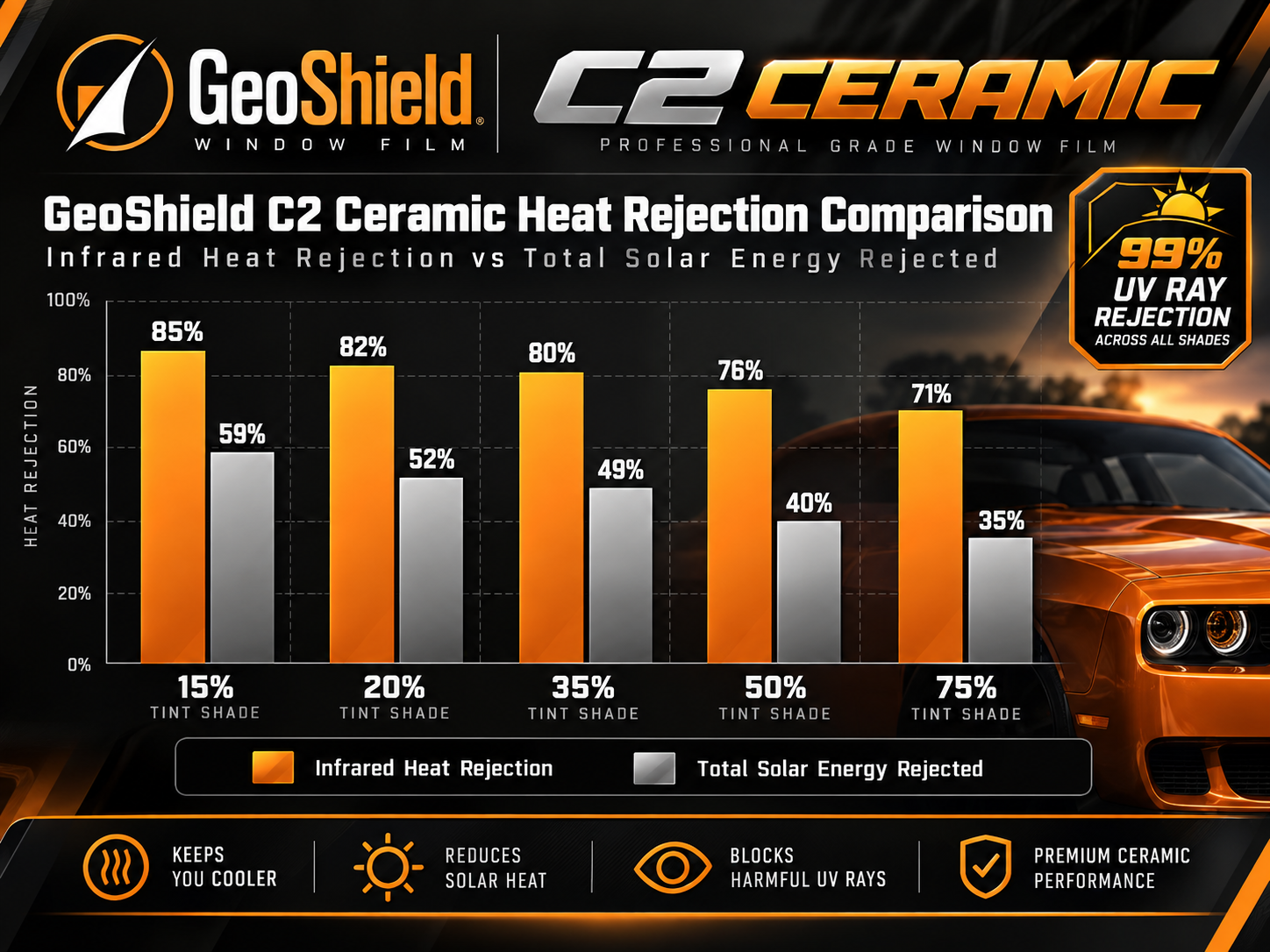
GeoShield rates C2 Ceramic at 71% to 85% infrared rejection across the film line. It also blocks more than 99% of ultraviolet light.
That means someone who does not want extremely dark windows can still get meaningful heat and UV protection.
A lighter ceramic tint can make much more sense than installing a very dark basic film just because you assume darker automatically means cooler.
Understanding the Numbers on a Window Tint
Window film specifications can get confusing quickly.
You will usually see several different measurements.
- VLT tells you how much visible light passes through the film.
- IR rejection measures how much infrared energy the film rejects. Infrared makes up part of the heat you feel coming through the glass.
- TSER stands for Total Solar Energy Rejected. This looks at a broader portion of the solar energy hitting the window and is useful when comparing overall film performance.
- UV rejection tells you how much ultraviolet radiation the film blocks.
GeoShield currently rates C2 Ceramic with a TSER range of approximately 35% to 63%, infrared rejection between 71% and 85%, and UV rejection above 99%. The exact performance depends on the film percentage being used.
This is why looking at tint percentage alone does not tell the whole story.
What About Visibility at Night?
This is probably the biggest concern customers bring up when choosing a percentage.
They want the darker appearance and privacy, but they still want to be able to see when driving at night.
Film quality matters here too.
GeoShield describes C2 Ceramic as being designed for clarity while also reducing glare. It uses a ceramic and carbon construction with a neutral appearance rather than relying only on a heavily dyed film.
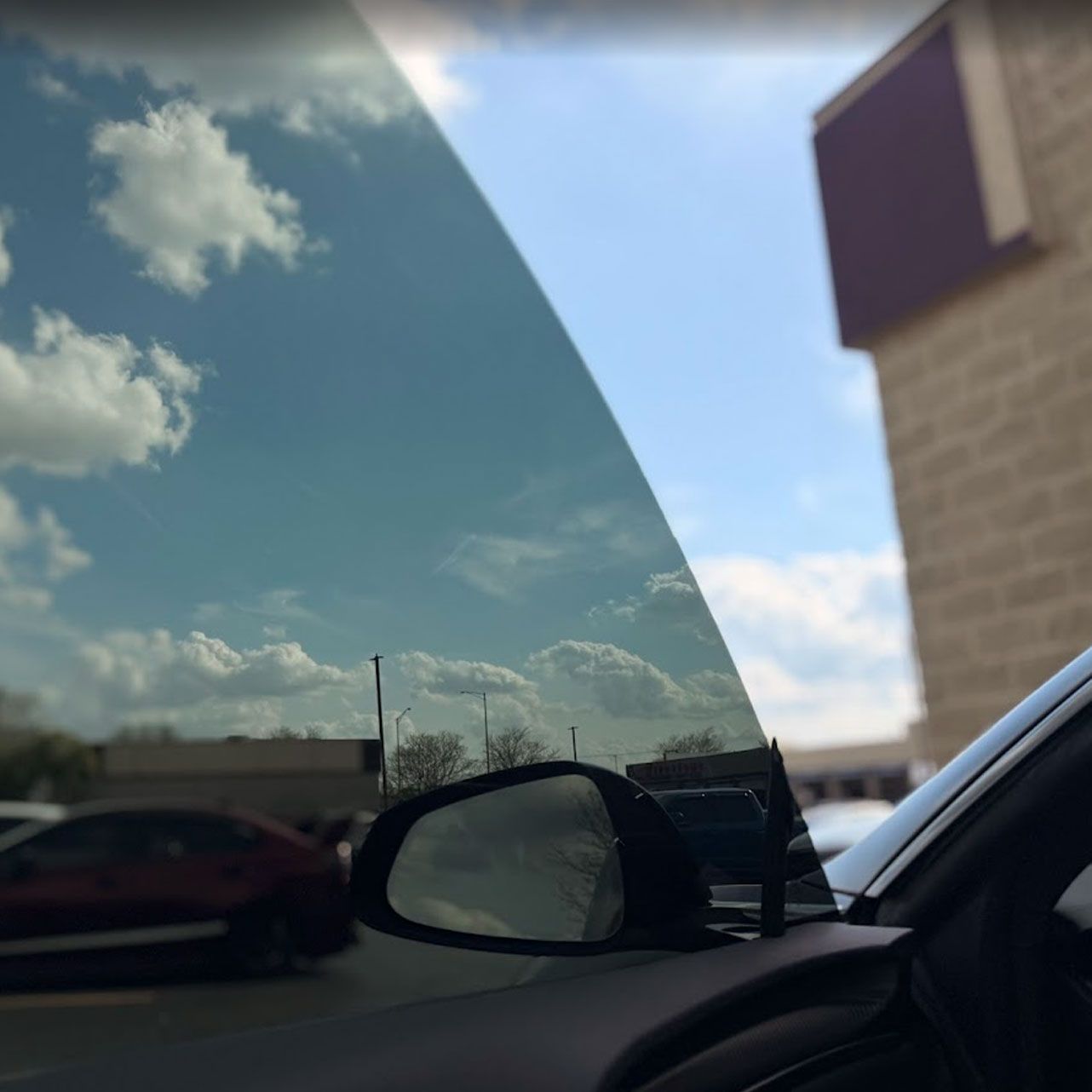
From our experience installing C2 Ceramic, 20% still provides good outward visibility for many drivers, especially compared with cheaper dark films.
That said, 20% is still a dark tint.
Nighttime visibility depends on the driver, outside lighting, weather, and the vehicle itself.
For customers who are concerned about seeing at night, 35% is usually a very comfortable option. It still gives the vehicle a noticeably tinted appearance without making the windows extremely dark.
We would rather help someone choose a percentage they will actually enjoy driving with than simply recommend the darkest option available.
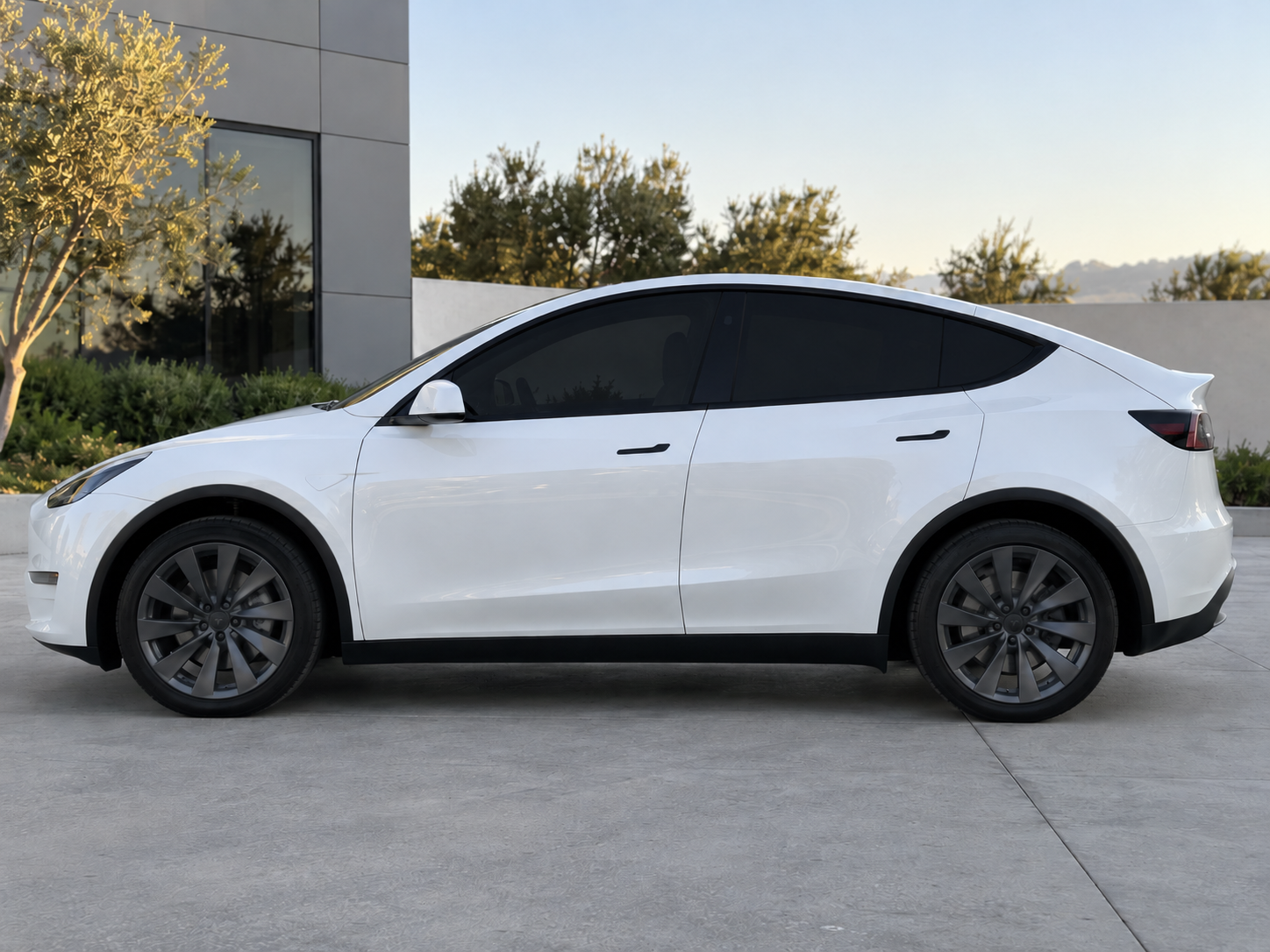
You Can Get Heat Protection Without Making the Car Extremely Dark
This is one of the biggest advantages of ceramic window tint.
Some customers come in wanting heat rejection but do not really care about privacy.
For those vehicles, 50% or even 75% ceramic film can be worth considering.
The window can remain relatively light while still receiving the benefits of ceramic technology.
That can be especially useful on vehicles where the owner wants to maintain a more factory appearance.
It is also why we explain the difference between appearance and performance before choosing a tint percentage.
Someone looking for privacy may want 15% or 20%.
Someone mainly interested in heat rejection may be perfectly happy with a much lighter film.
Ceramic Tint Also Blocks UV
Heat rejection gets most of the attention, but UV protection is another major benefit.
GeoShield lists C2 Ceramic at more than 99% UV rejection across the film line.
That helps reduce the amount of ultraviolet radiation entering the vehicle.
Over time, sunlight can contribute to fading and deterioration of leather, dashboards, trim, and other interior materials.
Window tint will not make an interior last forever, but reducing UV exposure can help protect it.
It also means you do not need extremely dark tint just to receive strong UV protection.
The 75% film still receives the same listed 99%+ UV protection as the darker C2 Ceramic options.
What About the Windshield?
The windshield is one of the largest pieces of glass on the vehicle, so naturally customers ask about putting a light ceramic film there for additional heat rejection.
A 75% ceramic film can remain relatively light while providing ceramic heat and UV performance.
There is an important legal issue for Illinois drivers, however.
Illinois currently prohibits window tint across the full front windshield. The state allows a tint strip along the top six inches of the windshield.
Because window tint laws can vary by location and vehicle, customers should understand the applicable rules before choosing where and how dark to tint their glass.
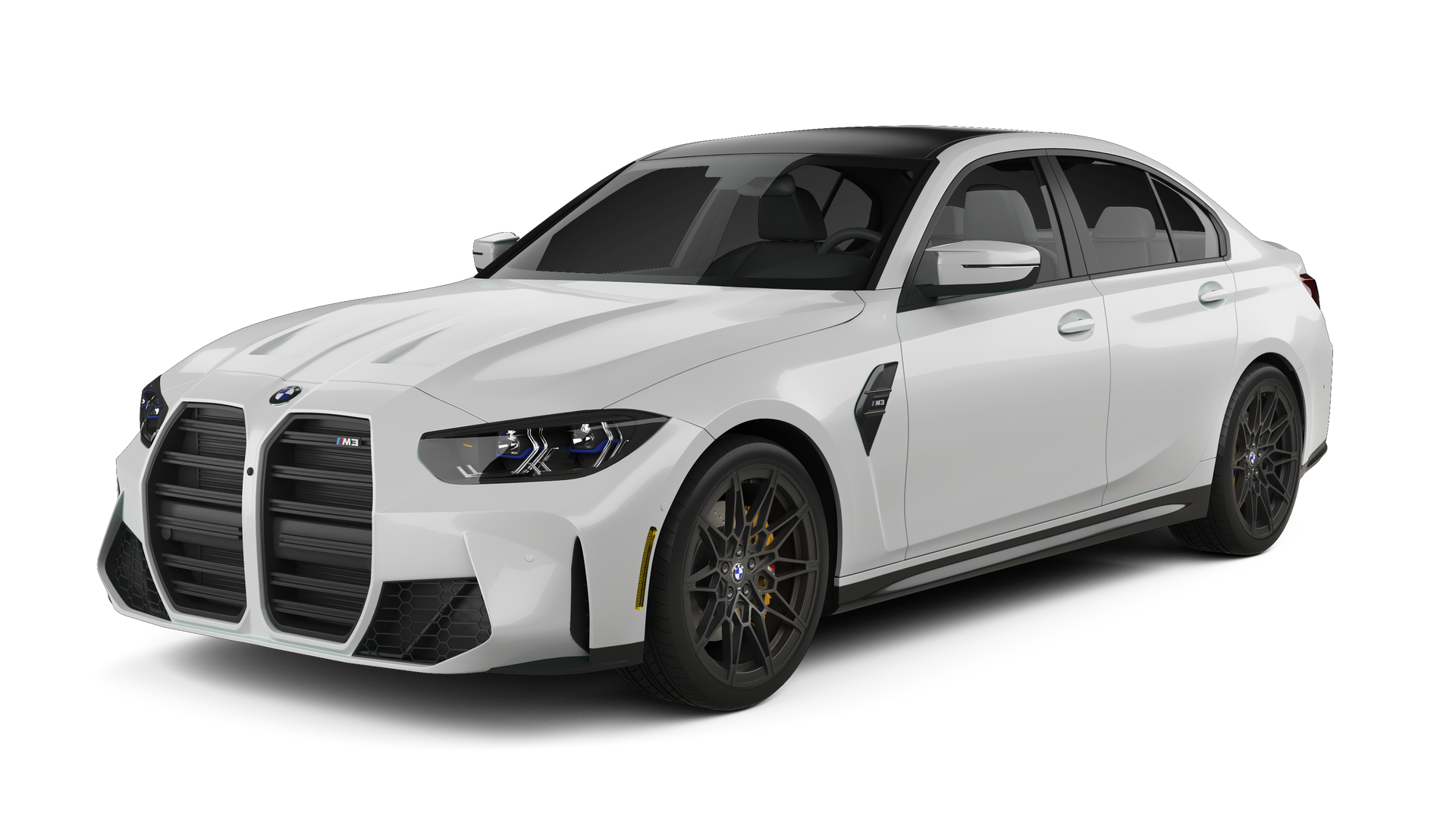
Which Tint Percentage Should You Choose?
There is no percentage that is best for everybody.
If privacy and a darker appearance are the priority, 15% or 20% may make sense.
If you want a noticeable tint while keeping nighttime visibility comfortable, 35% is one of the options we commonly recommend discussing.
If heat and UV protection are the main goal and you do not want dark glass, 50% or 75% ceramic tint can make more sense.
The important part is not choosing a percentage just because you think darker automatically means better heat protection.
Choose the shade based on how you want the vehicle to look and how much visibility you want.
Let the quality of the ceramic film handle the heat rejection.
Ceramic Window Tint in Orland Park
Ceramic Window Tint in Orland Park
Legion Detailing provides professional ceramic window tint installation in Orland Park, Illinois.
We currently use GeoShield C2 Ceramic and offer 15%, 20%, 35%, 50%, and 75% options.
C2 Ceramic provides strong infrared heat rejection, more than 99% UV protection, good optical clarity, and a neutral appearance. GeoShield also backs the film with a lifetime warranty.
If you are unsure which percentage makes sense, give us a call.
Tell us whether your priority is heat rejection, privacy, appearance, nighttime visibility, or a combination of everything.
We can show you the different options and help you choose the film that makes the most sense for your vehicle.
Contact Legion Detailing in Orland Park for a ceramic window tint estimate.
Call or text 708 497 9225.